


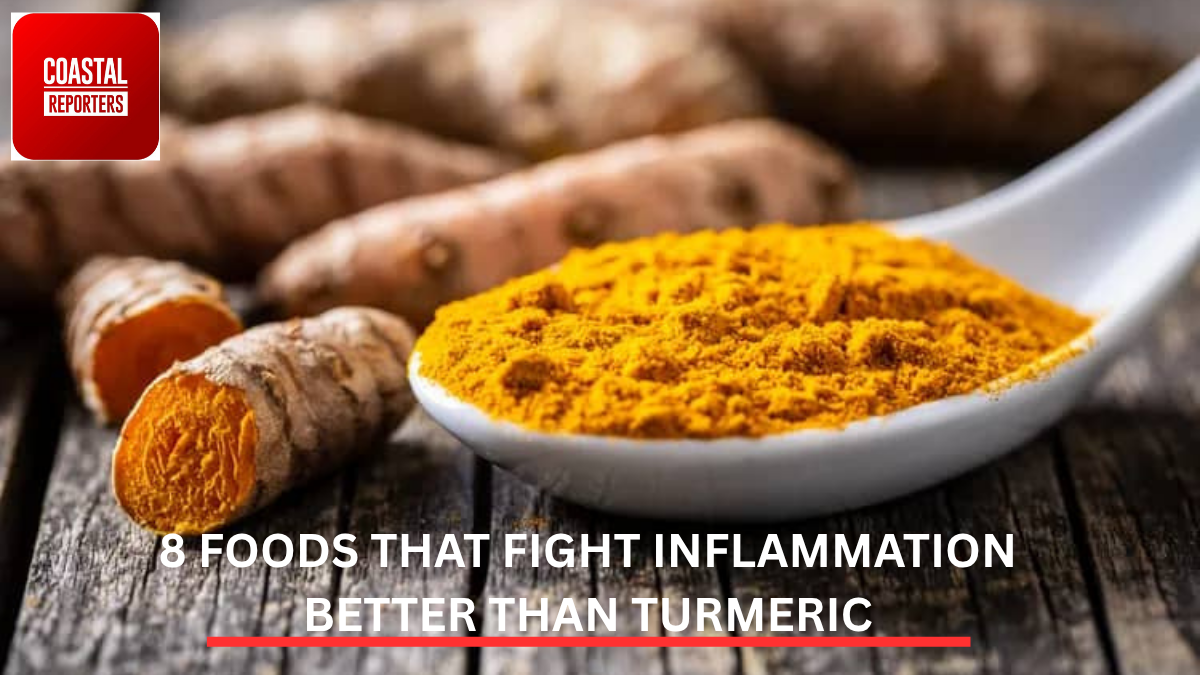
Turmeric is widely recognized for its remarkable health benefits, particularly its potent anti-inflammatory effects.
However, while turmeric’s active compound, curcumin, is known for fighting inflammation, it’s not the only powerful option. Many fruits, vegetables, spices, and protein-rich foods can be just as effective — and in some cases, even more powerful — at reducing inflammation.
Here are eight foods that may combat inflammation more effectively than turmeric.
1. Fatty Fish
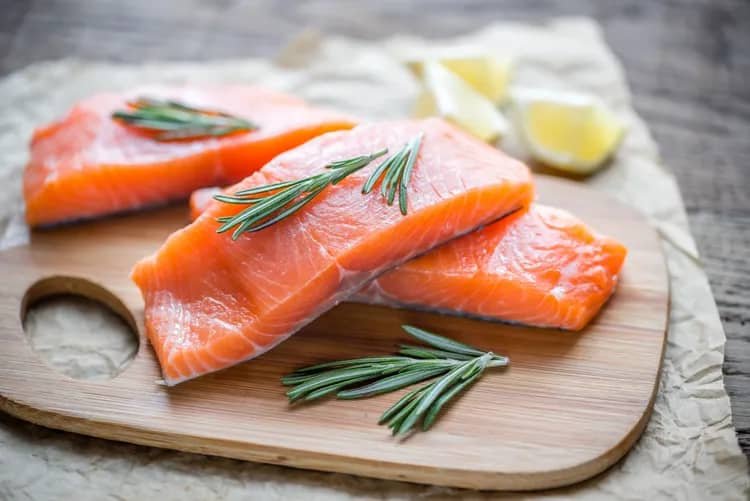
Fatty fish such as salmon, mackerel, and sardines are excellent sources of anti-inflammatory omega-3 fatty acids—specifically eicosatetraenoic acid (EPA) and docosahexaenoic acid (DHA). According to Mariam Zakhary, D.O., clinical advisor at Ikon Recovery Centre in Saddle Brook, New Jersey, these long-chain omega-3s help reduce inflammation by suppressing inflammatory signals and lowering levels of pro-inflammatory cytokines throughout the body.
Research indicates that regularly eating fatty fish can help decrease inflammation, especially in individuals at higher risk for heart disease. In addition, seafood-rich diets may offer protection against inflammation-related illnesses, including certain cancers and cardiovascular diseases.
Zakhary recommends incorporating fatty fish into your meals at least twice a week—for instance, enjoying grilled salmon seasoned with herbs and lemon or adding canned sardines to a fresh salad.
2. Berries

Berries such as blueberries, strawberries, and blackberries are packed with powerful anti-inflammatory compounds.
“If there’s one food you should include in your daily diet to fight inflammation, it’s blueberries,” says Ritu Saluja-Sharma, MD, a board-certified emergency and lifestyle medicine physician. “They’re loaded with nutrients and compounds that help calm the body’s inflammatory response and promote long-term health,” she told Health.
The polyphenols—antioxidants found in berries—are easily absorbed and highly effective at reducing inflammation throughout the body.
Dr. Mariam Zakhary recommends adding berries to breakfast meals like yogurt or oatmeal, or blending fresh or frozen varieties into smoothies as a simple way to increase your intake.
3. Leafy Greens
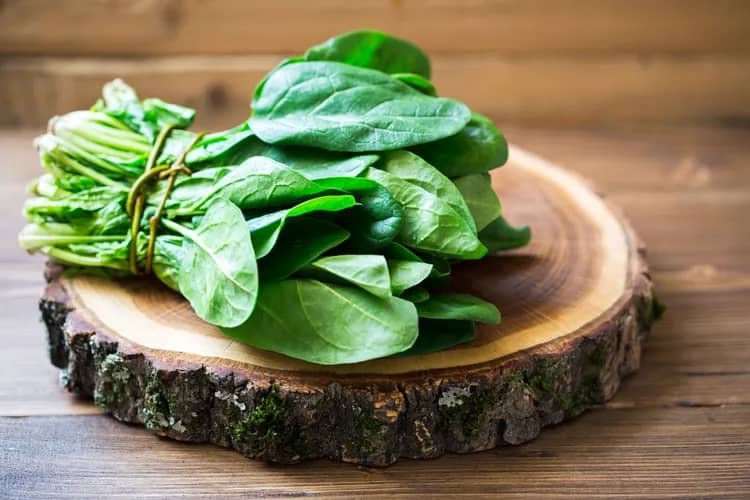
“Leafy greens such as spinach and kale are packed with beneficial phytochemicals like carotenoids and sulforaphane, which help reduce oxidative stress and lower pro-inflammatory cytokine levels,” explained Zakhary.
These greens are excellent sources of carotenoid antioxidants—including beta-carotene, lutein, and zeaxanthin—that protect cells and combat inflammation. Research shows that individuals with higher blood levels of carotenoids have a reduced risk of inflammation-related diseases, including breast and pancreatic cancers.
Zakhary recommends adding a handful of spinach or kale to soups, stews, or smoothies as an easy way to enhance their anti-inflammatory power.
4. Extra Virgin Olive Oil
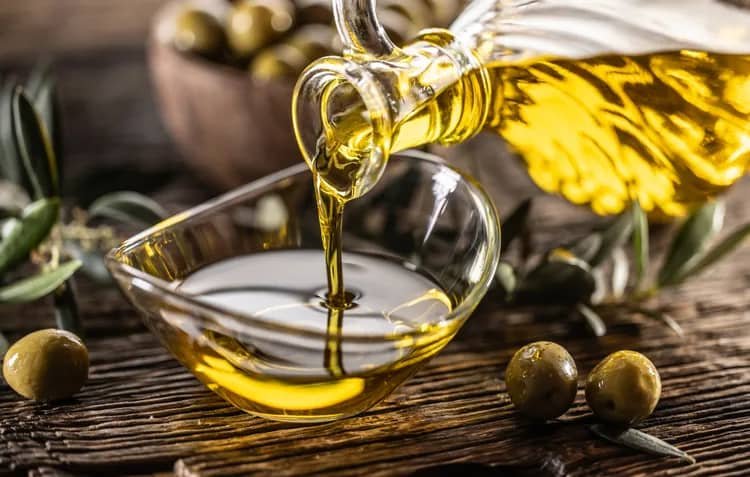
Olive oil contains over 200 plant compounds, including carotenoids, sterols, and polyphenols like hydroxytyrosol. These compounds inhibit inflammation and may lower inflammatory markers such as CRP and interleukin-6 (IL-6). Extra virgin olive oil is less processed than regular olive oil and is higher in these anti-inflammatory substances.1011
Use extra-virgin olive oil as a finishing oil on pasta, vegetables, and grains to maximise its anti-inflammatory benefits.
5. Ginger
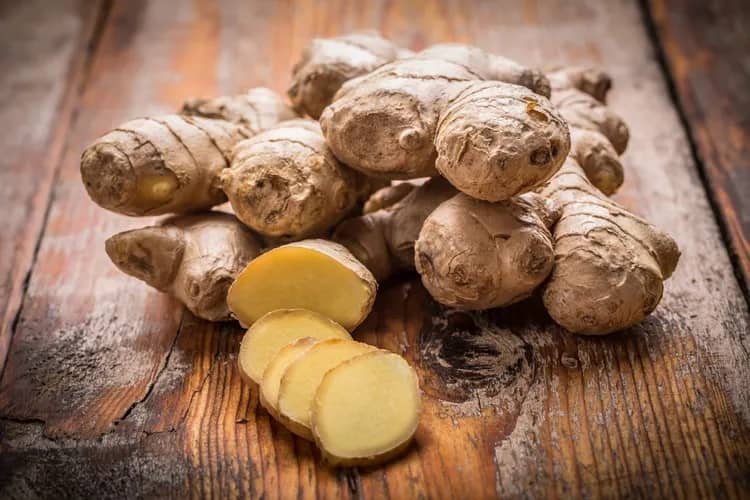
Ginger, often paired with turmeric in dishes like curries and soups, is rich in anti-inflammatory phenolic compounds known as gingerols and shogaols.
“Ginger blocks pro-inflammatory chemicals and has been used for centuries to help manage inflammation-related conditions,” said David Clarke, president of the Association for the Treatment of Neuroplastic Symptoms.
Research suggests that higher doses of ginger may help ease symptoms of inflammatory disorders such as rheumatoid arthritis. You can enjoy its benefits by adding fresh or dried ginger to soups, smoothies, curries, and desserts, or by sipping ginger tea for a warm, calming, and anti-inflammatory boost.
6. Cruciferous Vegetables
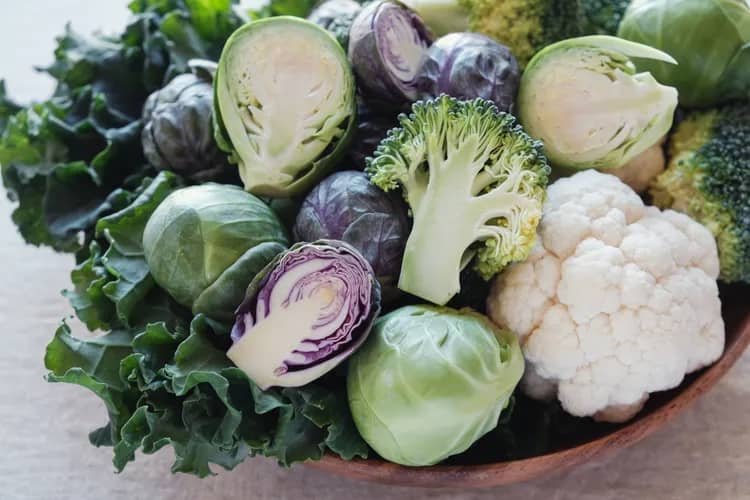
Cruciferous vegetables—such as broccoli, cauliflower, cabbage, kale, arugula, and Swiss chard—are among the most powerful anti-inflammatory foods. They’re rich in glucosinolates, sulfur-containing compounds with strong antioxidant and anti-inflammatory properties.
Eating a diet rich in these vegetables can help reduce inflammatory markers like IL-6 and may protect against chronic conditions linked to inflammation, including heart disease and certain cancers.
For a simple and healthy addition to your meals, try roasting or sautéing broccoli and cauliflower, or blend kale and Swiss chard into soups and smoothies
7. Cocoa
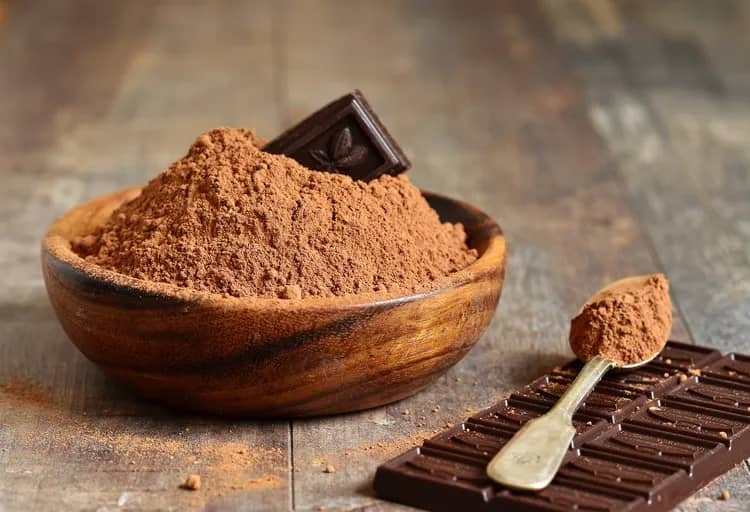
Cocoa products such as cacao powder, dark chocolate, and cacao nibs are rich in flavonoids—including catechins, anthocyanins, and proanthocyanidins—which possess potent anti-inflammatory effects.17
Research shows that cocoa flavonoids can help reduce inflammation by lowering the activity of nuclear factor kappa B (NF-κB), a protein complex involved in triggering inflammatory processes in the body.18
To boost your cocoa intake, enjoy dark chocolate paired with nuts for a quick anti-inflammatory snack, sprinkle cacao nibs over yogurt or oatmeal, or sip on hot cocoa sweetened with monk fruit.
8. Onions and Garlic
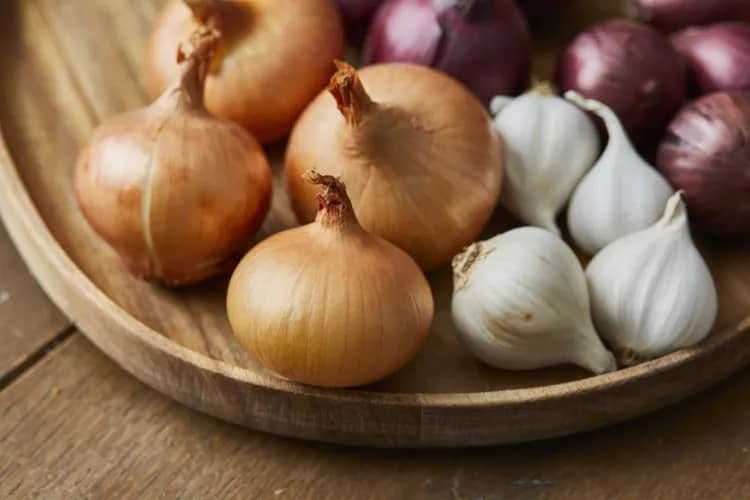
Onions and garlic are rich in polyphenol antioxidants and sulfur-containing compounds that help combat inflammation.
Research suggests that consuming a diet abundant in onions and garlic may lower the risk of certain cancers—such as stomach cancer—which are often linked to chronic inflammation.¹⁹²⁰
Enhance the flavor and health benefits of your meals by adding onions and garlic to pastas, soups, grain bowls, and vegetable dishes for an extra anti-inflammatory boost.
The Bottom Line
While turmeric is a valuable addition to an anti-inflammatory diet, it’s far from the only option. Foods like fatty fish, olive oil, berries, and leafy greens are backed by strong evidence for their potent anti-inflammatory effects and their role in reducing the risk of chronic inflammatory diseases.
For optimal results, include a wide variety of anti-inflammatory foods in your daily diet to help lower inflammation and support overall wellness.