


Teenage Pregnancy Highest in Northern Nigeria
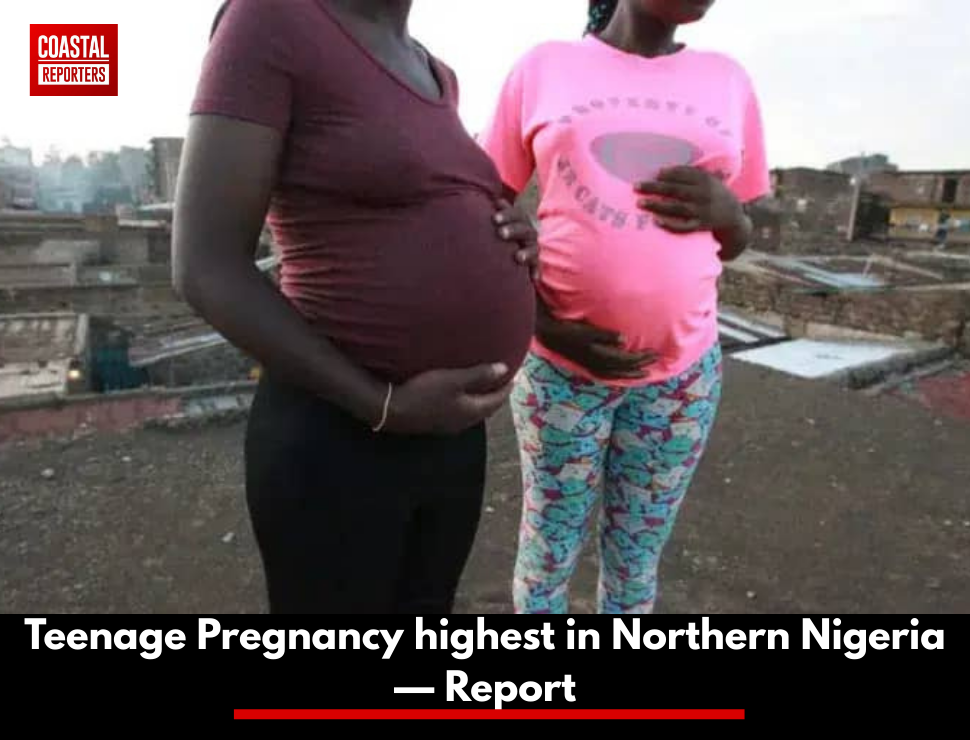
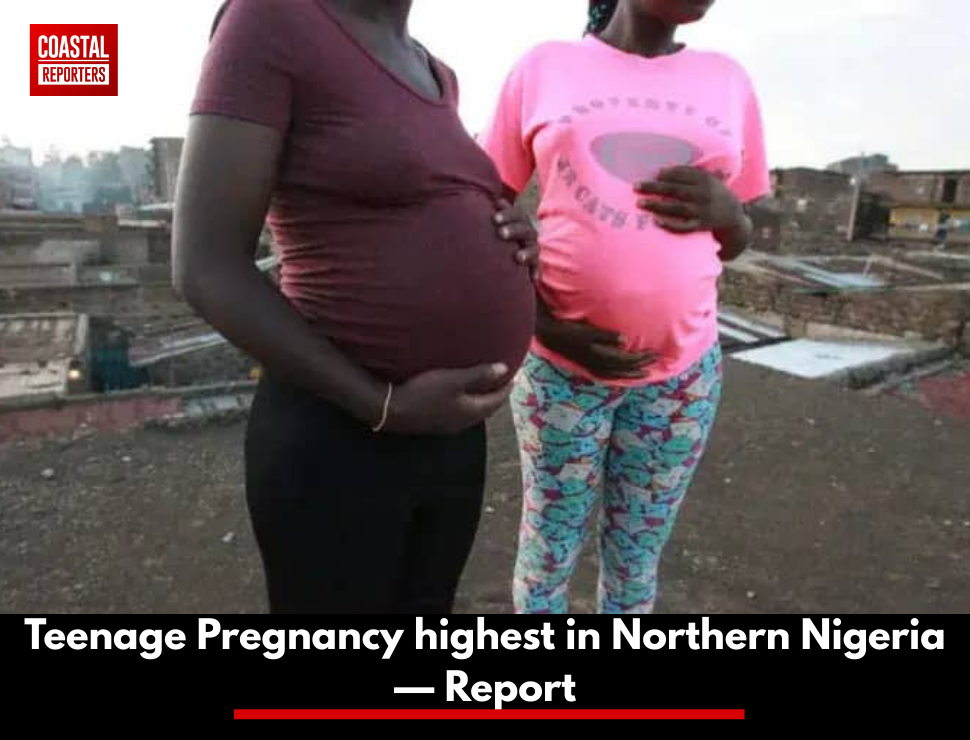
Teenage pregnancy remains a major public health concern in Nigeria, with northern states such as Kebbi, Zamfara, and Kaduna recording the highest rates in the country.
This was revealed in the 2025 State of Health of the Nation Report, released on Sunday in Abuja under the provisions of the National Health Act (2014).
The report examined adolescent reproductive health trends across Nigeria and highlighted significant regional disparities.
According to the findings, 32 percent of girls aged 15–19 in Kebbi have been pregnant, the highest in the country. Zamfara and Kaduna follow closely with 30 percent each, while states such as Lagos State and Edo State recorded much lower rates of about three percent.
The data, sourced from the Nigeria Demographic and Health Survey 2024, revealed sharp regional differences and stressed the need for targeted interventions to address adolescent reproductive health challenges nationwide.
Health experts noted that teenage pregnancy increases the risk of maternal and child illness and death. It also contributes to social problems, including school dropout among adolescent girls in high-risk states.
The report further showed a strong link between education and lower pregnancy rates. About 34 percent of girls without formal education had been pregnant, compared to only four percent among those who studied beyond secondary school, highlighting the protective role of education.
To address these challenges, the 2025 health sector expanded adolescent-focused interventions aimed at improving reproductive health outcomes and advancing Universal Health Coverage (UHC). Efforts include strengthening primary healthcare services and expanding community outreach programmes.
The initiatives focus on adolescent-friendly services at primary healthcare centres, including family planning, HIV prevention, and the management of sexually transmitted infections. Community health workers are also providing counselling and selected family planning services to adolescents in remote areas, helping bridge the gap in access to reproductive health information and care.
In addition, school and community water, sanitation, and hygiene (WASH) programmes have been strengthened to improve adolescent well-being and reduce preventable infections across the country.
The report noted progress in menstrual hygiene management, with 95 percent of adolescent girls able to wash and change privately at home, while 94 percent reported using appropriate menstrual materials.
However, concerns remain about adolescent mental health and substance abuse. The report observed a rising trend of alcohol and drug use—including tramadol and cannabis—among secondary school students nationwide.
Adolescents and young people aged 10–24 make up about 32 percent of Nigeria’s population, yet they carry a significant burden of mental health conditions such as depression and anxiety.
Government efforts have focused on integrating mental health services into HIV care programmes, guided by frameworks such as the National Policy on the Health and Development of Adolescents.
These policies promote youth-friendly mental health services, early intervention, prevention, and stigma reduction to support adolescents’ psychological well-being.
The report also highlighted government activities during World Mental Health Day and International Adolescent Health Week in 2025, which encouraged collaboration among multiple stakeholders to address substance abuse and mental health challenges.
Key partners in these efforts include the Federal Ministry of Health Nigeria, National Drug Law Enforcement Agency, World Health Organization, and the United Nations Office on Drugs and Crime, alongside civil society groups.
Some states, including Kaduna State, have also introduced school- and community-based programmes to raise mental health awareness, strengthen resilience, and help adolescents manage stress, substance use, and other psychosocial challenges.
Coastal Reporters News